A small change behind the wheel that changes how the whole car looks. Properly finished Calipers in red, yellow, black or something custom draw the eye through the wheel and lift the whole look of the car.
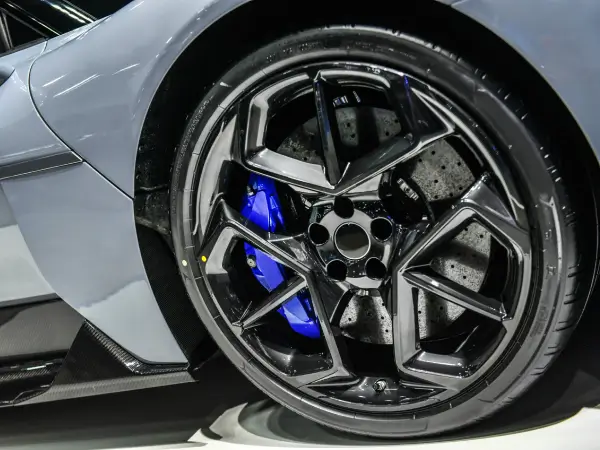
Calipers get seriously hot under normal driving, hotter still under hard braking. A can of hardware-store spray paint won't hold up to that — it'll flake, discolour or peel within months. Proper Caliper painting uses heat-resistant, brake-specific paint built to handle that heat cycle without cracking or fading.
Generally it goes: wheels come off so the Caliper's fully accessible, brake dust and old paint or coating gets cleaned off, rotors and hoses get carefully masked, heat-resistant primer and topcoat go on in even coats, then it all needs to properly cure before the car's back on the road under normal braking.
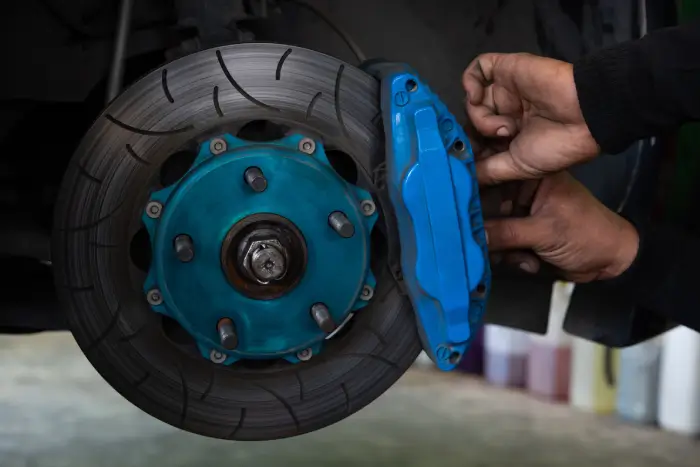
Check Caliper condition — rust, existing paint or coating, before quoting.
Remove the wheels and mask off anything sensitive.
Degrease, clean and prime for adhesion.
Apply the heat-resistant topcoat in controlled, even coats.
Let it cure, then put the wheels back on.
Straight answers, no sales pitch
Yes, provided heat-resistant, brake-specific paint is used and properly cured. That's different to standard spray paint, which isn't rated for the heat Calipers see under hard braking.
The time required depends on the condition of your brake calipers, the amount of preparation needed, and the type of finish you choose. In most cases, caliper painting can be completed within a day, but heavily corroded or damaged calipers may require additional preparation time. We'll assess your vehicle beforehand and provide an accurate timeframe.
You can choose from the standard colour range, but we can match any custom color as well.
Either works. Fronts are usually bigger and more visible through the wheel, but a full set gives the most consistent look.
No, provided the pistons, seals and moving parts aren't painted, only the housing itself. Those get masked and protected during the process.