A clear, self-healing film that takes the stone chips, bug strikes and car park scuffs so your paint doesn't have to. PPF is the only product that physically absorbs an impact, applied clear over the panels that cop the most punishment.
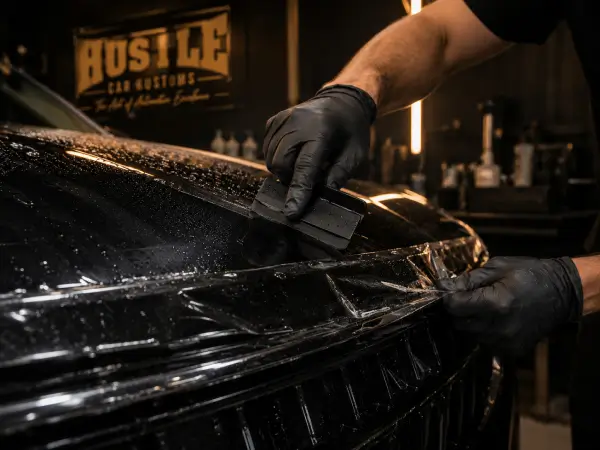
PPF is a thick, clear urethane film applied straight onto your paint. It's built to absorb the impact of small stones, gravel and road debris before they reach the clear coat underneath. Most modern films are self-healing too — light swirls and scratches in the film disappear with heat.
Typical coverage includes the bonnet, the front bumper, and the mirrors. A-pillars and headlights are sometimes added for full front coverage, along with rocker panels and door edges for protection against stone chips and dings in tight car parks.
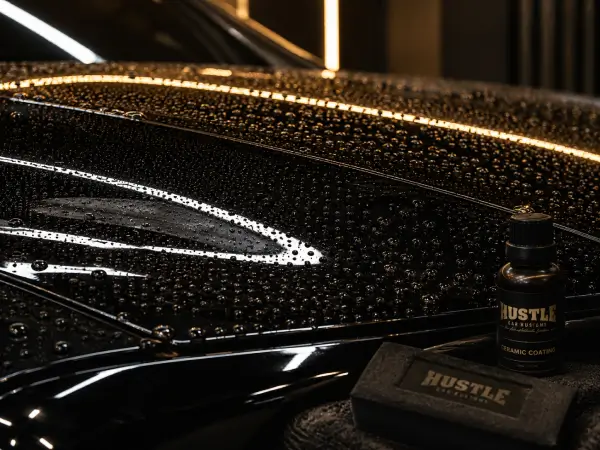
Handles UV, chemicals and makes washing easier, but won't stop a stone chip.
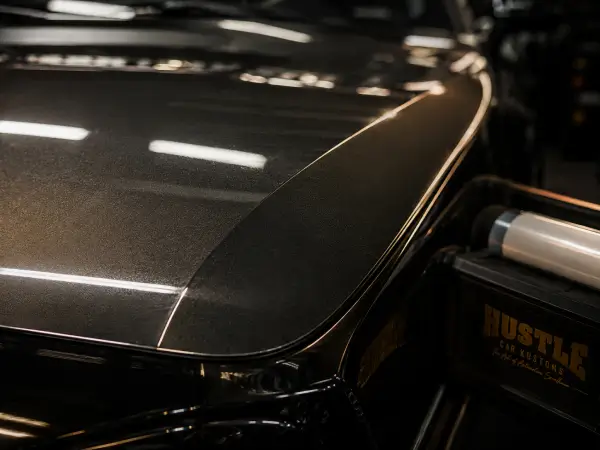
Physically absorbs impact but doesn't give the same gloss and hydrophobic finish on its own.
Most of our clients run both — PPF on the high-impact panels, ceramic coating over the rest of the car.
Inspect the paint first — film won't fix chips that are already there.
Full decontamination wash, and correction if needed, so the film bonds to clean paint.
Cut the film to your car's exact panel templates, no visible seam running across a bonnet.
Apply it wet, squeegee out the air and water, wrap and tuck the edges for a factory-look finish.
Cure, then handover. We'll tell you how long to wait before washing.
Skip washing for the first week while the adhesive cures. Once it's cured, treat it like normal paint — hand wash or a careful contactless wash. Self-healing kicks in with warmth, so a sunny day or a warm rinse will often smooth out light swirls in the film on its own.
Straight answers, no sales pitch
It cuts the risk a lot. A stone strike that would otherwise chip your clear coat marks the film instead, and in a lot of cases the film heals itself.
High-quality Paint Protection Film (PPF) typically lasts 7–10 years when professionally installed and properly maintained. Its lifespan depends on the film brand, driving conditions, and how well the vehicle is cared for. Most premium PPF products also include a manufacturer's warranty against issues such as yellowing, cracking, bubbling, and peeling, giving you long-term confidence in your investment.
Yes, when it's been applied and looked after properly, it can be professionally removed without lifting the paint underneath.
Good modern films are UV-stable and resist yellowing.
Yes, and it's one of the most common combinations we do — PPF on the high-impact panels for physical protection, ceramic coating over the rest.
Depends how you drive it and your budget. Highway commuters usually get the most value out of full front coverage, since that's where stone chip risk is highest.