Professional car window tinting that cuts heat, blocks UV, and stays within Queensland's legal tint limits. A hot car isn't just uncomfortable — window tinting is probably the single best value upgrade for a Brisbane car, and most jobs are done in one visit.
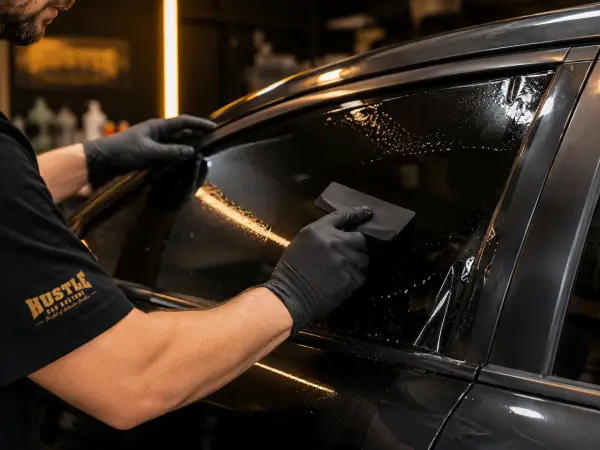
Film goes on the inside of your glass and does three things: rejects a chunk of solar heat before it gets into the cabin, blocks most of the UV that fades your interior and does your skin no favours over time, and cuts glare along with visibility into the car.
You notice it most on a car that's been sitting in a Bracken Ridge driveway all afternoon. A tinted car cools down faster once the air con kicks in, simply because less heat built up in the first place.
Queensland sets minimum VLT limits on the windscreen and front side windows to keep a driver's visibility safe at night. Rear windows and back glass can go darker, as long as the car has both external mirrors fitted. We only fit tint within the legal limit for each window position, so you're not left with a defect notice.
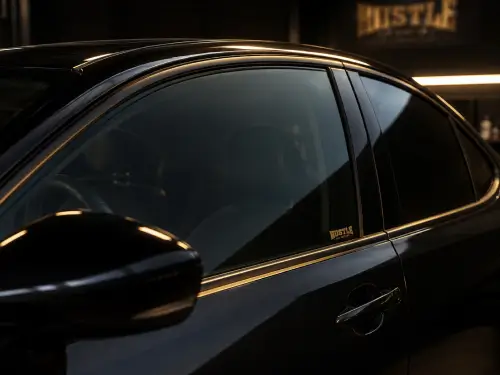
Must meet Queensland's minimum visible light transmission requirement for the windscreen and front side windows.
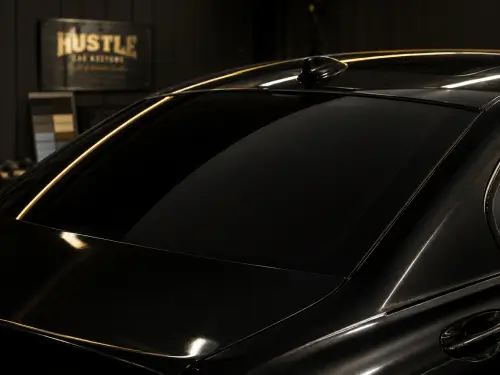
Allow more room — darker shades are legal here and are what most people ask for, mainly for privacy and heat control.
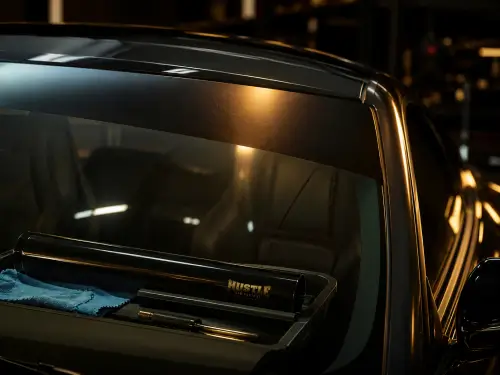
A narrow strip along the top is allowed too, to cut glare without messing with visibility.
Every standard install is cut to your car and fitted within Queensland legal VLT limits. Privacy and limo tint on rear glass is quoted once we've seen the car.
Entry-level, dyed-carbon construction.
Best heat rejection, in the clearer shades.
Blocks UV and cuts cabin heat without going darker.
A narrow strip along the top edge to cut glare.
Old, bubbled or peeling film stripped and glass cleaned back.
Darker rear-glass tint, quoted once we’ve seen the car.
Assess the vehicle and confirm which windows you want done.
Talk through shade and grade — heat rejection versus privacy versus budget.
Clean the glass thoroughly, inside and out.
Cut, fit and squeegee the film into place, panel by panel.
Tell you exactly how long to leave the windows up and avoid a wash while it cures.
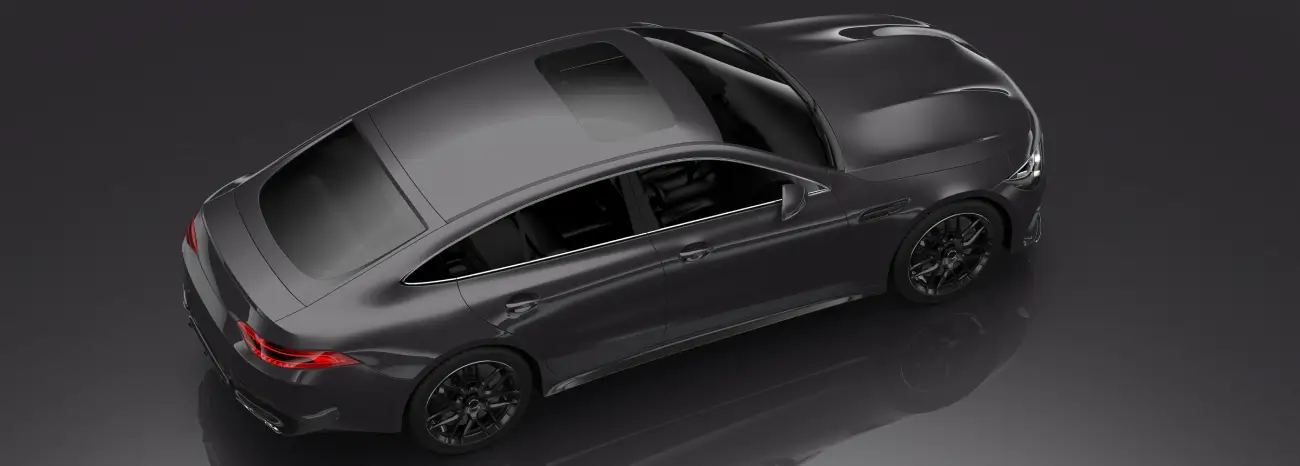
Give it a few days before winding the windows down, that's the adhesive curing. Skip ammonia-based glass cleaners on tinted windows, they can break the film down over time. Small water bubbles under the film in the first week or two are normal and clear up on their own as it cures.
Straight answers, no sales pitch
Front windscreen and front side windows have a minimum VLT requirement to protect visibility. Rear windows and back glass can go darker, provided your car has two external mirrors. In Queensland, the darkest legal window tint is 35% VLT for front side windows and 20% VLT for rear side and back windows, with the main front windscreen restricted to a top 10% visor strip.
No, not if it's fitted by someone competent who doesn't damage the glass, demisters or window mechanisms in the process.
Most passenger cars are done in a few hours, same day.
No, give it time to cure first. Don't wash or wind the windows down for the first several days.
Yes. A car with solar heat rejection film noticeably takes less time to cool once you're driving, and doesn't get as hot sitting in direct sun.
Yes. Old film comes off, adhesive residue is cleaned from the glass, then new film goes on.